
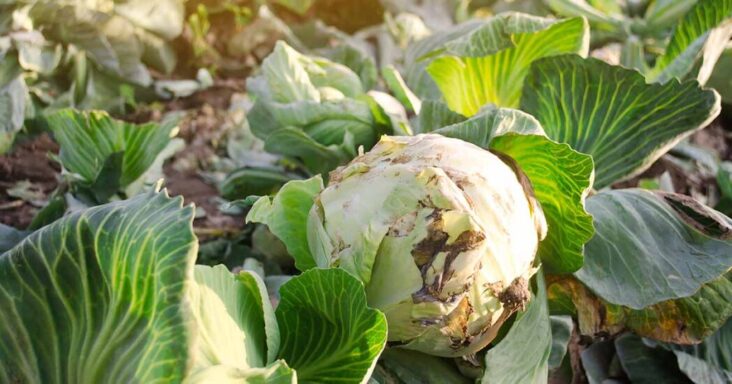
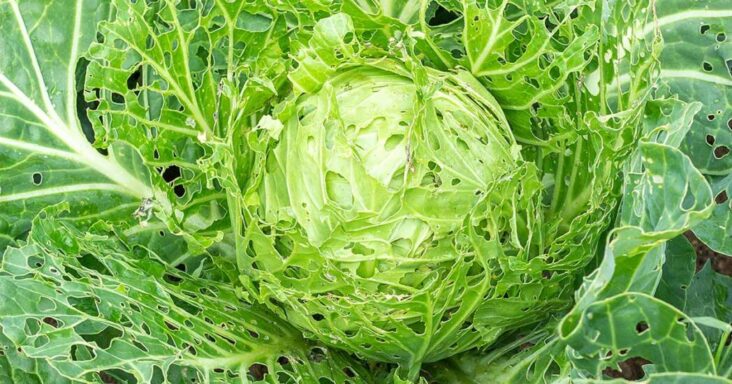
Cabbage rewards patience, then punishes neglect. One week of healthy growth can turn into lace-like leaves almost overnight. Pest pressure rarely arrives in a loud or dramatic way. It creeps in quietly, often under leaves or along tender growth. Stopping damage early keeps heads tight, clean, and worth the effort.
The goal stays simple: protect leaves during early growth and reduce repeat infestations as plants mature
Common Cabbage Pests Worth Watching
Several insects show up again and again in cabbage patches. Each leaves a distinct calling card.
|
Pest |
Visual Signs |
Typical Damage |
| Cabbage worms | Green caterpillars on leaf undersides | Irregular holes, frass buildup |
| Flea beetles | Tiny black beetles that jump | Shot-hole patterns on young leaves |
| Aphids | Clusters of small soft-bodied insects | Curling leaves, sticky residue |
| Cutworms | Plants severed at soil line | Sudden collapse overnight |
Learning those signs saves time and prevents guesswork later. New growers often benefit from reviewing clear visual breakdowns of cabbage pests before damage becomes widespread.
Start With Physical Barriers
Prevention beats reaction every season. Lightweight row covers remain one of the most effective tools for cabbage growers.
Row covers work best when installed immediately after transplanting or direct seeding. Secure edges with soil or landscape staples so insects cannot sneak underneath. Covers block moths that lay eggs, flea beetles searching for fresh greens, and wandering beetles moving in from nearby beds.
Key tips for success:
- Remove covers briefly for watering and inspection
- Keep fabric from resting directly on leaves
- Lift covers once heads begin forming to allow airflowEven with row covers in place, regular checks are still essential for catching early signs of damage.
Scout Early and Often
Quick checks every few days prevent small problems from turning into harvest losses. Focus attention on leaf undersides and new growth near the center of each plant.
Signs worth immediate action:
- Pin-sized holes on young leaves
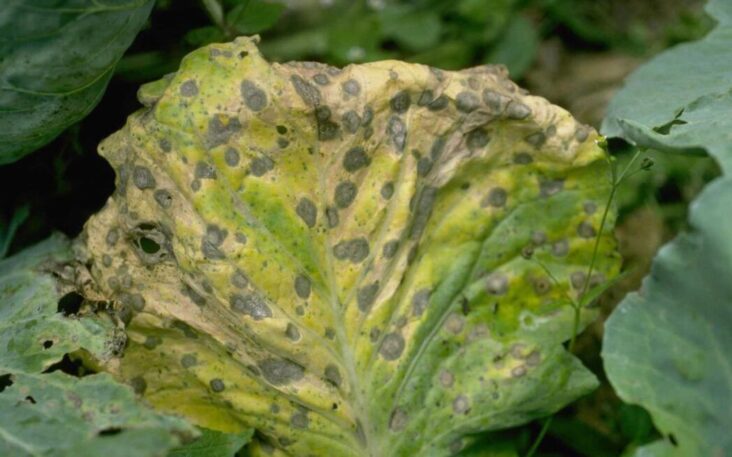
- Pale stippling or yellowing along veins
- Sticky residue or ant activity nearby
Hand removal works surprisingly well for early caterpillar infestations. Drop pests into soapy water and continue checking nearby plants.
Use Natural Controls With Precision
Organic treatments perform best when timing stays tight. Spraying after heavy damage rarely helps.
Common options include:
- Bacillus thuringiensis for caterpillars
- Insecticidal soap for aphids
- Neem oil for mixed infestations
Apply sprays during calm, dry conditions and repeat only as needed. Rotate treatments to avoid pest resistance buildup.
Build a Less Inviting Environment
Garden layout influences pest pressure more than many realize. Cabbage planted in the same spot year after year attracts repeat visitors.
Practical steps that reduce risk:
- Rotate brassicas on a 3-year cycle
- Remove plant debris after harvest
- Avoid overcrowding plants
- Control weeds near beds
Strong airflow and sunlight discourage lingering insects and fungal issues tied to leaf damage.
Encourage Beneficial Insects
Lady beetles, lacewings, and parasitic wasps quietly reduce pest populations. Providing habitat encourages longer stays.
Simple ways to help beneficials:
- Plant dill, cilantro, or alyssum nearby
- Avoid broad-spectrum insecticides
- Leave small undisturbed areas for shelter
Predators handle aphids and caterpillar eggs before damage ever becomes visible.
Water and Feed With Purpose
Stressed plants attract pests faster. Consistent moisture and balanced nutrition keep leaves thick and resilient.
Avoid excess nitrogen, which creates lush growth insects prefer. Water at soil level early in the day so foliage dries quickly.
A Calm, Consistent Approach Pays Off
Cabbage does not demand perfection. It asks for attention, timing, and restraint. Physical barriers, regular scouting, and targeted treatments protect leaves without turning pest control into a full-time job. Healthy heads follow when damage stays minimal early on.