
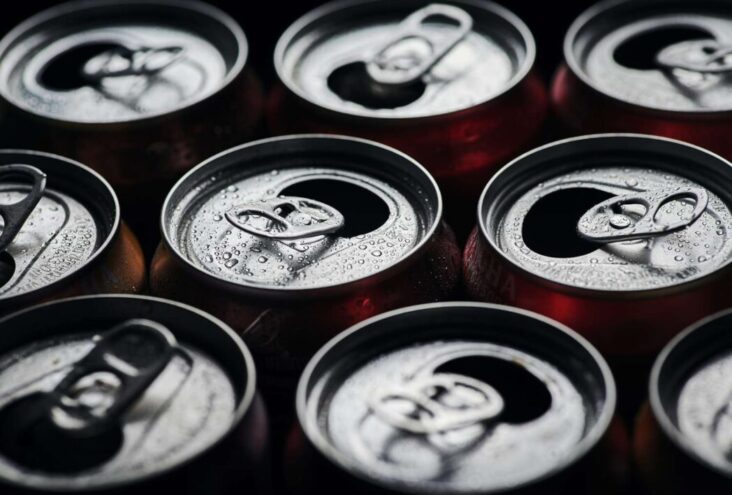
Taste, freshness, and carbonation define the beverage experience at every sip. Packaging plays a vital role in maintaining quality during production through consumption.
Aluminium cans serve as a trusted solution across beverage categories due to unmatched protective performance.
Carbonated drinks, energy beverages, organic drinks, and functional beverages rely on aluminium packaging to preserve intended flavor and texture.
Aluminium’s Protective Barrier Properties
Packaging performance determines how effectively a beverage keeps its intended taste, aroma, color, and carbonation over time.
Aluminium cans function as a complete protective system, guarding contents against oxygen, light, pressure loss, corrosion, and environmental stress throughout storage and distribution.
Oxygen Barrier – Shielding Against Oxidation
Oxidation represents one of the primary threats to beverage quality. Aluminium cans eliminate that risk by forming an airtight seal immediately after filling.
Oxygen cannot enter once the lid is secured, preserving flavor accuracy and visual clarity during shelf life.
Carbonated beverages benefit further because dissolved CO₂ remains undisturbed in a sealed, oxygen-free environment.
An internal food-grade lining plays a critical role in taste preservation. Liquid contents never interact directly with the metal surface, preventing metallic notes and protecting delicate flavor compounds.
Barrier performance remains consistent across time, even during extended storage.
Gas transmission behavior differs significantly across packaging materials, and measurable performance gaps explain long-term quality differences:
- Aluminium blocks oxygen and other gases completely, even at molecular scales
- Plastic allows gradual oxygen ingress over time
- Glass offers strong protection but cannot match aluminium’s total gas impermeability once closures age
Flavor stability, aroma retention, and carbonation consistency depend on this complete oxygen exclusion.
Light Barrier – Protection Against UV and Visible Light
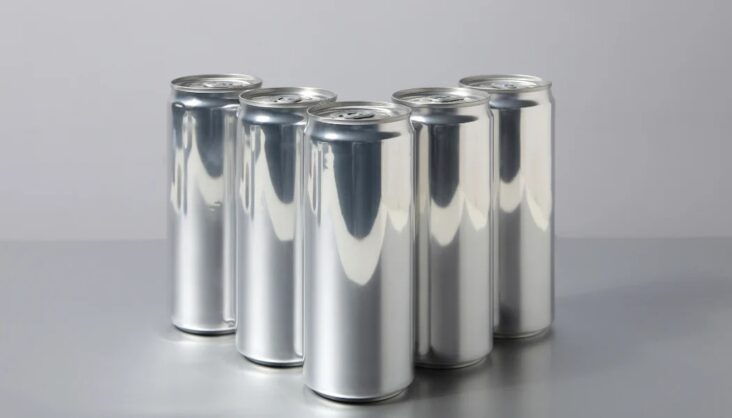
Light exposure accelerates chemical reactions that degrade beverage quality.
Aluminium cans provide full protection against both ultraviolet and visible light, eliminating photo-degradation during storage and display.
Sensitive compounds remain intact, allowing beverages to retain original taste, color, and nutritional value.
Organic and natural beverages benefit especially because light exposure rapidly breaks down unprotected ingredients.
Transparent and semi-permeable packaging allows light penetration that shortens shelf life and alters sensory characteristics.
Protection offered by aluminium directly supports ingredient stability in several key areas:
- Natural colorants retain vibrancy
- Vitamins and nutrients remain stable
- Aromas and flavor compounds stay balanced
Product presentation and taste consistency remain reliable until opening.
Environmental Sustainability – A Taste-Protecting Circular Economy
Sustainability strengthens aluminum in cans role in taste protection by supporting consistent material performance across repeated use cycles.
Circular material systems maintain barrier quality while reducing environmental impact.
Recyclability Without Quality Loss
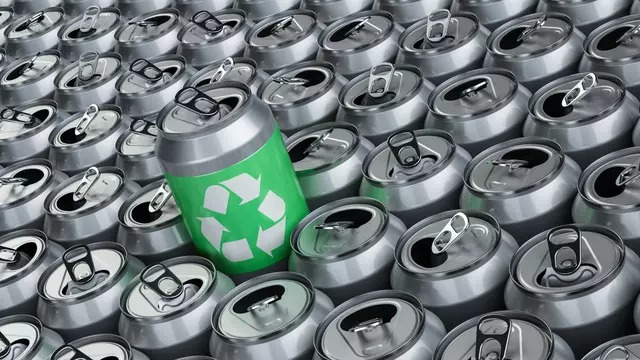
Aluminium recycling preserves structural and barrier properties completely. Material performance remains unchanged regardless of recycling frequency.
Energy efficiency and emission reductions result directly from this capability.
Key data illustrates the scale of impact achieved through recycling:
- Approximately seventy-five percent of all aluminium ever produced remains in active use
- Recycling requires only five percent of the energy needed for primary production
- Greenhouse gas emissions drop significantly through recycled aluminium use
Strength, impermeability, and safety remain intact across cycles.
Circularity Enables Constant Freshness
Recycling speed supports rapid material circulation and consistent packaging quality.
Beverage cans can return to store shelves in as little as sixty days after collection.
Closed-loop systems maintain high performance while reducing environmental strain.
Global recycling performance demonstrates strong momentum:
- More than seventy percent of beverage cans worldwide become new cans
- Full global recycling by 2030 could prevent sixty million tonnes of greenhouse gas emissions annually
Circular aluminium systems support low-carbon packaging while preserving flavor consistency, carbonation stability, and shelf life reliability.
Carbonation Preservation
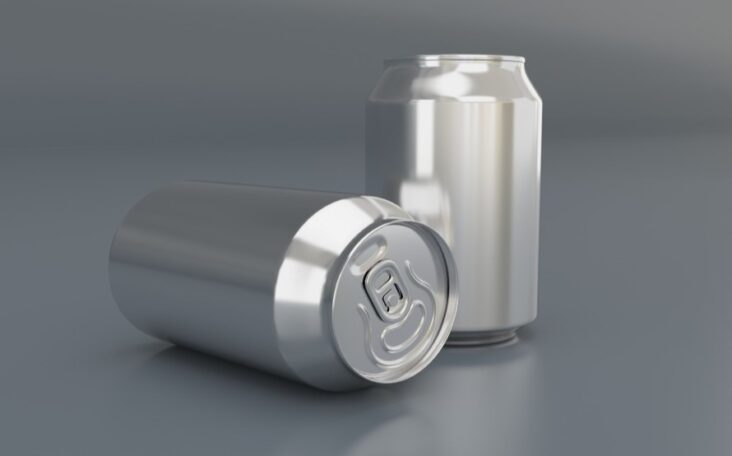
Carbonation defines how a beverage feels and tastes at first sip. Carbon dioxide dissolves into liquid under pressure during filling, and pressure stability determines freshness perception.
Aluminium cans lock in that pressure immediately after sealing, creating a closed environment where gas cannot escape during:
- Storage
- Transport
- Display
Mouthfeel, bubble structure, and sensory sharpness remain consistent until opening.
Hermetic sealing prevents gradual CO₂ migration that occurs in less protective packaging.
Internal pressure stays stable over extended periods, allowing beverages to retain the same effervescence intended by formulators.
Consistency matters for consumer trust, especially for carbonated soft drinks, sparkling waters, energy beverages, and functional drinks.
Several measurable factors explain why carbonation remains intact inside aluminium packaging:
- Zero gas permeability prevents carbon dioxide diffusion
- Seal integrity maintains constant internal pressure
- Structural rigidity resists deformation that can release gas
Environmental exposure plays a significant role in carbonation loss.
Light and heat accelerate pressure changes and gas release in packaging that lacks full barriers.
Aluminium blocks all light wavelengths and conducts heat efficiently, reducing thermal stress that disrupts dissolved CO₂.
Temperature fluctuations become less damaging, supporting long-term carbonation stability.
Corrosion Resistance and Structural Integrity
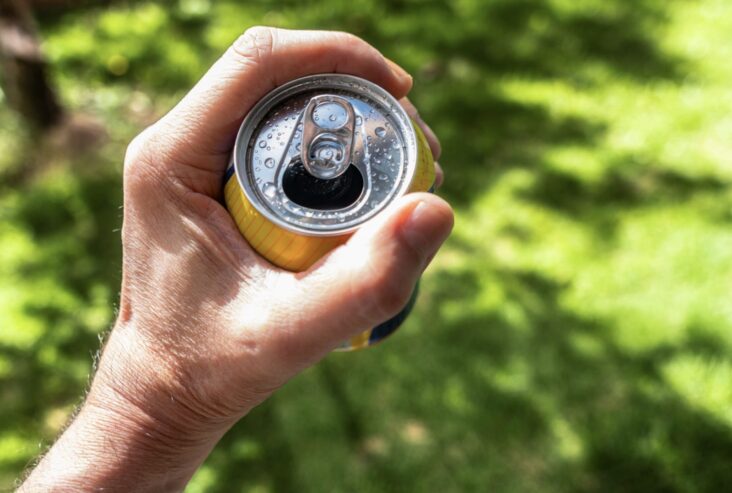
Aluminium naturally forms an ultra-thin aluminum oxide layer known as Al₂O₃. This layer creates a durable barrier against environmental and chemical threats.
Water, oxygen, and corrosive substances cannot penetrate its structure, protecting both the container and its contents.
Surface integrity restores automatically if minor damage occurs. Oxide layer re-formation happens immediately, maintaining protection without external intervention.
An internal lacquer coating further supports compatibility with acidic and carbonated beverages, preventing contamination or leaching.
Long shelf life depends on multiple protective layers working together, including:
- Self-healing oxide protection
- Internal food-safe coatings
- Structural rigidity that resists deformation
Beverage safety and flavor accuracy remain consistent across storage conditions.
Thermal and Physical Advantages
Thermal conductivity allows aluminium cans to chill faster than plastic or glass, supporting a quicker refresh experience.
Rapid heat transfer improves consumer satisfaction and reduces cooling time during refrigeration.
Lightweight construction improves logistics efficiency without compromising strength. Aluminium measures roughly one third the density of steel while retaining rigidity and impact resistance.
Stackability improves storage density and reduces breakage risk during transport.
Operational advantages extend across distribution systems due to durability and low mass, improving efficiency at every stage.
The Bottom Line
Aluminium beverage cans protect taste through complete oxygen and light barriers.
Carbonation retention, corrosion resistance, and thermal performance maintain freshness and texture.
Sustainability strengthens these benefits through efficient recycling and circular material use.
Flavor, freshness, and fizz remain preserved today and into the future through aluminium packaging.