
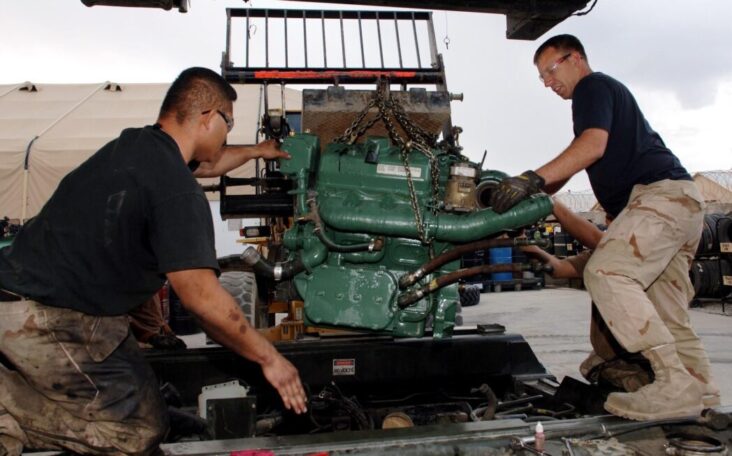
Diesel engines are built around one critical principle: fuel must enter the combustion chamber at precisely the right moment to generate efficient power.
Unlike gasoline engines that rely on spark plugs for ignition timing, diesel systems depend entirely on compression pressure and accurately synchronized fuel delivery.
When injection timing drifts outside proper operating tolerances, combustion quality changes immediately, often creating smoke, rough engine behavior, hesitation, and noticeable power loss under load.
Correcting injection timing is one of the most important procedures diesel mechanics perform during engine diagnostics. Whether working on commercial trucks, agricultural equipment, industrial machinery, or older mechanical diesel platforms, technicians must ensure the injection pump remains synchronized with crankshaft rotation and cylinder compression timing.
Even minor calibration errors can significantly affect drivability, fuel economy, and long-term engine reliability.
Understanding Diesel Injection Timing
What Information Should a Fuel Pump Timing Guide Include?
Diesel injection timing determines when fuel enters the combustion chamber relative to piston position and compression pressure.
Even small timing errors can change combustion behavior enough to produce white smoke, rough idle, delayed acceleration, hard starts, or excessive diesel knock during heavy-load operation.
Mechanics diagnosing these symptoms usually verify crankshaft alignment, timing marks, injector sequencing, and fuel-delivery synchronization before relying on a fuel pump timing guide to confirm the correct calibration procedure for the specific injection-pump design and engine configuration.
A proper timing guide explains how to align the injection pump with engine timing references while maintaining accurate fuel-delivery synchronization throughout the combustion cycle.
Mechanical diesel systems often require dial indicators, timing pins, or static timing marks to measure pump position relative to crankshaft rotation, while electronically controlled systems depend more heavily on scan-tool data and sensor calibration.
Retarded timing delays combustion and increases exhaust smoke because fuel ignites too late during the compression cycle, especially under acceleration or cold-start conditions. Advanced timing raises combustion pressure and creates diesel knock that increases stress on pistons, injectors, and valve-train components during operation.
Diesel technicians commonly verify fuel pressure and injector balance alongside timing adjustments because all three systems directly affect combustion stability. Accurate timing procedures restore smoother throttle response, improve combustion efficiency, and reduce drivability problems caused by incorrect fuel-delivery timing.
Why Injection Timing Changes Over Time
Mechanical Wear Inside the Fuel System

Diesel injection systems operate under constant mechanical stress and extremely high fuel pressure. Over time, wear develops inside injection pumps, timing gears, valve assemblies, and injector components.
As these parts gradually lose precision, fuel delivery synchronization begins drifting away from factory calibration specifications.
In mechanical diesel systems, even slight wear can alter the relationship between crankshaft rotation and fuel delivery timing. Drivers may first notice subtle symptoms such as rough idle, slower throttle response, or increased smoke output during cold starts. Left unresolved, these timing irregularities eventually reduce combustion efficiency and increase internal engine stress.
Fuel Contamination and Pressure Instability
Contaminated fuel is another major contributor to timing-related combustion problems. Water intrusion, microscopic debris, and poor-quality diesel fuel accelerate wear inside pumps and injectors, affecting pressure stability and fuel metering accuracy. Once fuel pressure becomes inconsistent, injection timing can no longer remain synchronized across all cylinders.
Restricted fuel filters and unstable pressure regulators may further compound these problems by reducing fuel volume during acceleration or towing conditions.
Diesel mechanics typically inspect fuel quality and pressure stability alongside timing calibration because all of these systems work together to maintain balanced combustion.
How Mechanics Restore Correct Timing
Mechanical Timing Adjustment Procedures
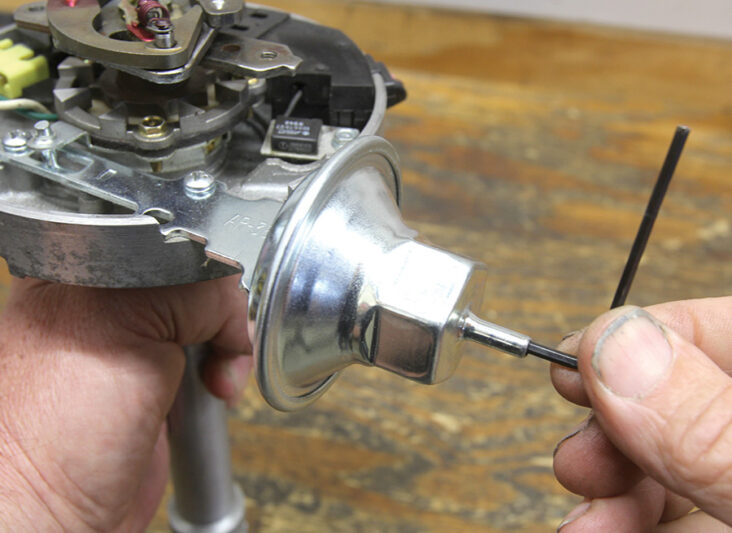
Older diesel engines commonly rely on physical timing adjustment procedures that require precise mechanical alignment. Mechanics use timing pins, dial indicators, and factory timing references to position the injection pump relative to crankshaft rotation.
These adjustments ensure fuel enters the combustion chamber at the proper point during the compression cycle.
After alignment is completed, technicians often verify throttle response, exhaust behavior, and idle quality during operation to confirm that combustion stability has been restored. Small adjustments can dramatically improve drivability and reduce excessive smoke production.
Electronic Timing Diagnostics
Modern diesel engines rely heavily on electronic timing control systems. Sensors continuously monitor crankshaft position, rail pressure, injector response, and engine load while the engine control module adjusts timing dynamically in real time.
Mechanics use advanced scan tools to identify sensor irregularities and synchronization errors affecting combustion performance.
Electronic timing systems allow far more precise control than older mechanical designs, but they also require accurate sensor calibration and stable fuel pressure to function correctly. A failed sensor or unstable fuel-delivery system can create symptoms nearly identical to mechanical timing drift.
The Relationship Between Timing and Combustion Quality

Combustion quality depends heavily on when fuel ignites relative to piston movement. Retarded timing delays combustion, reducing cylinder pressure and creating incomplete fuel burn inside the cylinder.
This commonly produces white smoke, sluggish acceleration, and unstable idle conditions during startup or heavy-load operation.
Advanced timing creates the opposite problem by increasing combustion pressure too early during the piston stroke. Excessive pressure produces diesel knock and places greater stress on pistons, injectors, bearings, and valve-train components. In severe cases, prolonged operation with advanced timing can accelerate engine wear and contribute to costly internal damage.
Agricultural diesel equipment often experiences these conditions during continuous field operation where engines remain under sustained load for long periods. Many compact farming operations discussed in modern small-scale tractor and farming applications depend heavily on accurate timing calibration to maintain fuel efficiency and reliable low-speed torque under varying terrain conditions.
Why Accurate Timing Improves Diesel Efficiency
Correct injection timing improves more than just engine smoothness. Efficient combustion allows diesel engines to produce greater torque with lower fuel consumption while also reducing emissions output and exhaust soot accumulation. Proper timing helps maintain balanced combustion temperatures that protect pistons, injectors, and turbochargers from excessive thermal stress.
Diesel engines remain popular in heavy-duty transportation and commercial applications largely because of their efficiency and durability advantages.
A broader overview of diesel engine benefits and long-term performance characteristics can be found in this discussion of diesel engine efficiency and reliability, which explains why combustion precision remains central to diesel performance.
Maintaining proper timing calibration helps preserve these advantages by ensuring fuel burns efficiently across changing RPM ranges and operating conditions.
The Importance of Professional Diesel Diagnostics
Restoring correct injection timing requires far more than adjusting a single component. Diesel mechanics must evaluate the entire fuel-delivery system, including pressure stability, injector balance, crankshaft synchronization, and sensor accuracy.
Symptoms such as smoke, rough idle, hesitation, or knocking often involve multiple systems influencing combustion quality simultaneously.
Professional diagnostics allow technicians to identify whether the underlying problem originates from mechanical wear, fuel contamination, pressure instability, or electronic synchronization faults. Correct diagnosis prevents unnecessary component replacement and helps restore reliable engine operation more effectively.
Conclusion
Diesel mechanics restore correct injection timing by synchronizing fuel delivery precisely with crankshaft rotation and combustion pressure requirements.
Through mechanical alignment procedures, electronic diagnostics, pressure testing, and injector analysis, technicians ensure fuel enters the combustion chamber at the exact point required for efficient combustion.
Accurate timing improves throttle response, reduces smoke production, stabilizes idle quality, and protects internal engine components from excessive pressure and thermal stress. Early diagnosis and proper timing calibration remain essential for preserving long-term diesel reliability across commercial transportation, industrial equipment, and agricultural applications.