
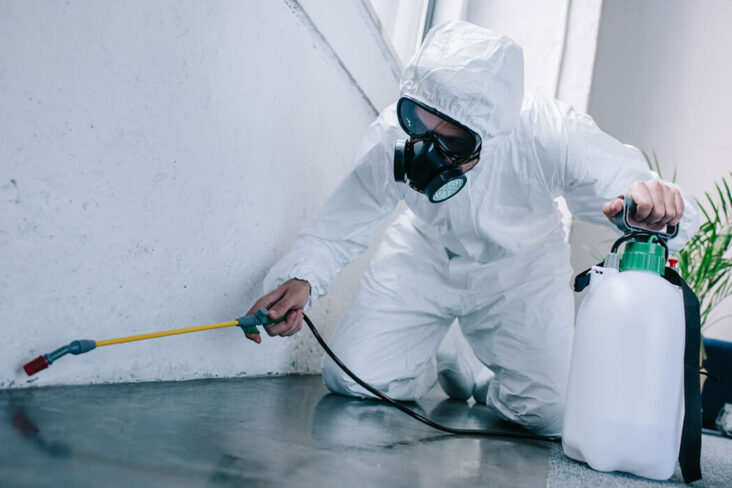
Understanding the types of pests that could be infiltrating your home is fundamental to effective pest control. The most common household pests include rodents, insects, and arachnids, which can pose health risks as well as structural threats. Rodents such as mice and rats are notorious carriers of disease; they gnaw on electrical wires, which can lead to fire hazards. Insects like ants, cockroaches, and termites tend to be more than just an annoyance; they can cause significant property damage if not addressed swiftly.
For instance, termites can structurally weaken your home’s foundation over time; a single colony can consume the equivalent of a foot-long pine board in as little as five months.
Moreover, bed bugs, once relegated to the past, have staged a resurgence and can create significant discomfort and stress. Understanding these nuisances is critical in the initial identification process for assessing the problem.
The Signs of a Pest Problem ─ Are You Ignoring the Red Flags?
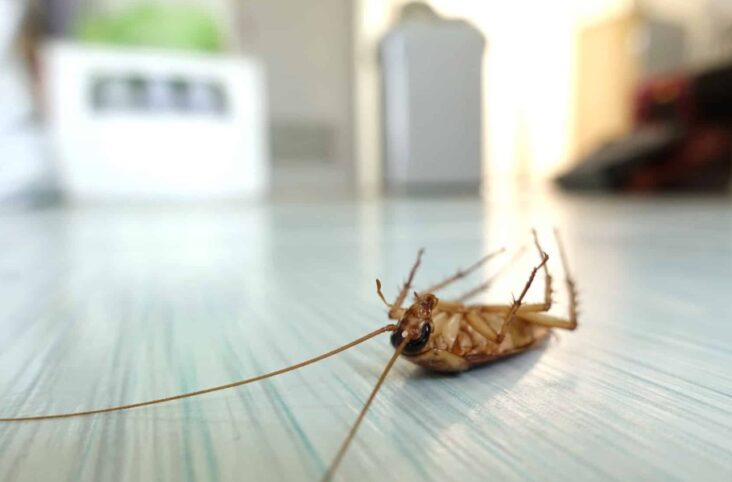
Many homeowners may dismiss minor signs of pests, but overlooking these indicators can lead to larger infestations. Common signs include droppings, which can vary in size and appearance depending on the pest species; noise, such as scratching sounds from walls or ceilings; and visual sightings of pests themselves.
Another major red flag is the presence of nests or webs, particularly in corners, attics, or basements. You may also notice unusual smells from certain pests, particularly rodents, or decaying organic matter from dead insects.
Failing to act upon these warning signs can lead to a larger infestation, which requires more extensive and expensive treatments. Regular inspections around the home can help identify these signs early, allowing for swift intervention.
Determining the Level of Infestation ─ When to Call in the Pros
Knowing when to engage a pest control professional is crucial for minimizing damage. A minor sighting of a pest might not warrant immediate attention; however, consistency in sightings or the discovery of nests often indicates a significant issue.
As a rule of thumb, if you’ve spotted multiple pests over a short period, or if you find droppings or damaged materials consistently, it’s time to seek professional help.
Furthermore, if the pests are causing visible damage or posing health risks like cockroaches triggering asthma or allergic reactions immediate action is necessary. For some pests, such as termites or bed bugs, the presence of even a few can be indicative of a larger hidden problem requiring thorough examination and intensive treatment.
Qualifying Your Options ─ What to Look for in a Pest Control Company
Certifications and Experience ─ How to Spot Industry Experts
When it comes to choosing a pest control company, credibility is essential. Look for providers that are licensed and certified by state regulations, as this shows they have met specific professional standards. Certifications from recognized associations, such as the National Pest Management Association (NPMA) or state pest control boards, further highlight their commitment to professionalism and ongoing education.
Experience is also important; a pest control company that has been in business for several years is often better equipped with the knowledge and skills to manage a wide range of pest issues. Meanwhile, newer companies may offer lower rates as they build their clientele, but reviewing their background and training can help ensure you’re placing your home in capable hands.
Customer Reviews ─ The Real Scoop from Fellow Homeowners
Customer reviews can provide invaluable insights into a company’s reputation and service levels. Websites like Yelp, Google Reviews, and the Better Business Bureau allow potential clients to read firsthand accounts from other homeowners about their experiences with various pest control providers.
It’s crucial to look for companies with consistent positive feedback, particularly those that highlight the effectiveness of their treatments and the professionalism of their technicians. Additionally, pay attention to how companies respond to negative reviews; a willingness to address concerns can indicate a business that values customer satisfaction.
Also, localized forums or social media can serve as excellent platforms for getting opinions from your community members about specific pest control services. Too many bad experiences can be a warning sign; choosing a company with a solid foundation of satisfaction verifies a higher likelihood of quality service.
Services Offered ─ Beyond Under the Sink – What Else Can They Handle?
The best pest control companies provide more than just basic extermination. It is critical to find a provider that offers integrated pest management services tailored to your unique situation. This may include assessments, preventative services, and education on pest behaviors.
Companies that also offer specialized services for specific pests, such as bed bugs, termites, or wildlife control, can provide more targeted solutions for advanced problems.
Furthermore, explore if they offer follow-up services, which are essential for ensuring that pests do not return after initial treatment. A comprehensive service approach not only responds to infestations but also promotes proactive measures to avert future issues, ensuring long-term peace of mind.
Eco-Friendly vs. Traditional Methods ─ Making an Informed Choice
Green Solutions ─ Can Natural Methods Really Keep Bugs at Bay?
As environmental concerns become more pressing, many homeowners are gravitating towards eco-friendly pest control solutions. Green solutions encompass a range of tactics including biological controls, natural repellents, and exclusion methods that prioritize the planet’s health alongside effective pest management.
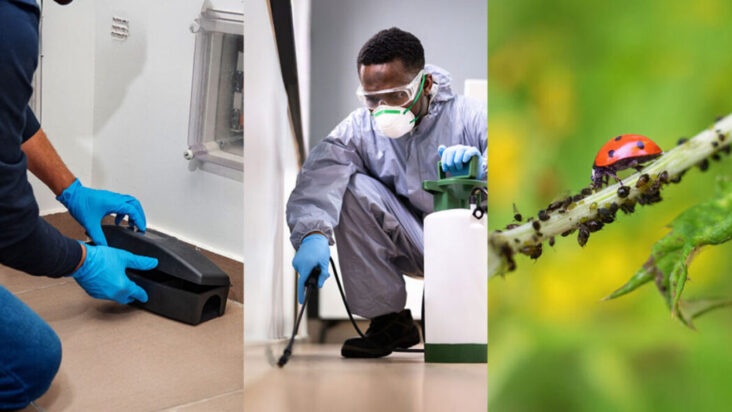
For example, introducing beneficial insects like ladybugs can help control aphid populations naturally without resorting to chemicals. Other alternatives include using essential oils and plant-based pesticides, which tend to have lower toxicity profiles for humans and pets. However, it’s essential to note that while green methods can be effective, their results may not be as immediate or potent as conventional chemical treatments.
Ensure to have an open discussion with your pest control provider about the benefits and limitations of these eco-friendly approaches to ascertain their suitability for your specific pest issues.
Understanding Chemical Treatments ─ Safety First or Overkill?
While chemical treatments have proven effective over decades, they have also raised significant health and safety concerns for many homeowners. Most pest control companies rely on pesticides that are regulated for safety; however, improper application can lead to adverse effects on human and animal health.
Being well-informed about the chemicals used is vital requesting Material Safety Data Sheets (MSDS) can provide insights into their compositions and associated risks. It’s also wise to discuss application methods and what precautions will be taken to minimize exposure. Many providers offer options for safer, less toxic chemicals and will customize their approach based on your home environment and health concerns.
Clarity and transparency regarding chemical choices can help make the necessary trade-offs seem less daunting.
Balancing Effectiveness and Environmental Responsibility ─ What’s Your Priority?
Choosing a pest control strategy should be based on weighing the efficacy of treatment against potential environmental and health impacts. While chemical methods might initially seem like the quickest path to resolution, considering the long-term effects and your ecological responsibility is vital.
You may find that hybrid approaches combining mechanical methods, like traps, with judicious chemical applications provide the balance needed for effective pest management while keeping your family’s health at the forefront.
Engage in meaningful discussions with pest control experts on prioritizing practices that align with your values without sacrificing effectiveness in pest eradication. Assessing the various aspects of your personal and environmental priorities will facilitate a decision that reflects both immediate needs and long-term responsibilities.
The Cost of Pest Control ─ Budgeting for a Critter-Free Home
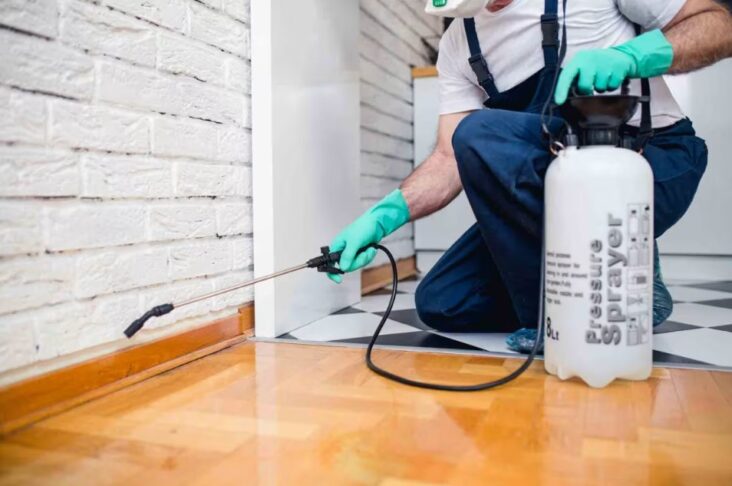
Understanding Pest Control Pricing ─ What’s Included in the Fine Print?
The cost of pest control varies widely based on several factors, including the type of pest, the extent of the infestation, and the chosen treatment method. When reviewing potential providers, ensure to inquire about what services are included in the quoted price.
For instance, initial inspections, treatment, and follow-up visits should be clearly outlined. It is also important to clarify if the charge consists of labor only or if materials are included in that fee.
Be cautious of exceedingly low quotes, as they might compromise the quality of service or result in unforeseen costs later. An informed approach helps you budget realistically and ensures compliance with your financial capacity while achieving effective pest management.
Hidden Costs to Beware Of ─ When Saving Money Could Cost You More
While the prospect of low-cost pest control options can be enticing, homeowners should be wary of potential hidden costs that can arise from hasty decisions. These charges can include fees for follow-up visits, costs for extra services or materials, and sometimes, even higher prices for emergency treatments resulting from inadequate initial services.
Moreover, if a pest problem is not effectively resolved on the first visit, the financial burden of repeated treatments could escalate. It’s crucial to read through and comprehend the contract before agreeing to any services. Understanding the full scope of expenses will prevent unpleasant surprises and ensure that the choice to engage pest control services is both strategic and financially sound.
Long-Term Savings ─ Investing in Prevention to Avoid Future Infestations
Investing in pest control and regular preventive treatments can be viewed as an upfront cost that yields significant long-term savings. While treatments may seem expensive initially, consider the potential damage pests can incur to your property, health expenses from pest-related illnesses, and the cost of subsequent treatments if infestations become entrenched.
Many pest control companies offer maintenance plans which include regular inspections and treatments at a reduced rate, creating an opportunity to protect your home continuously. When considering the costs, think about the peace of mind and security that a pest-free environment brings.
By viewing pest control as a preventive investment rather than a one-time expense, homeowners can ensure lasting protection against unwanted critters.