
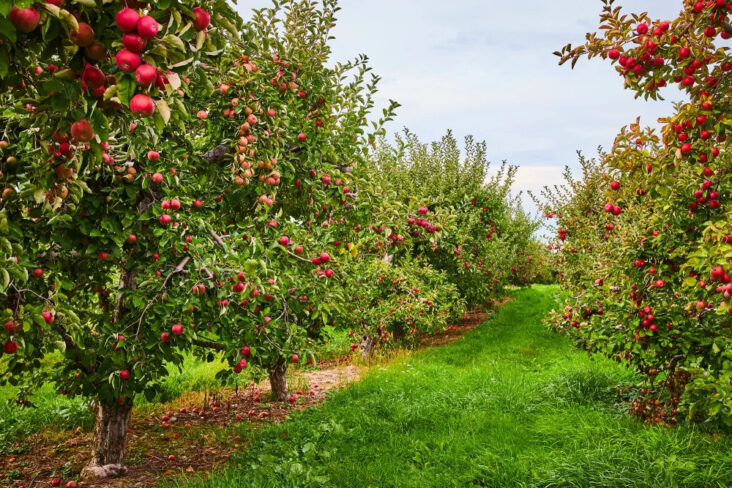
The popularity of home food production has increased dramatically in recent years. Whether driven by rising food costs, environmental awareness, or a desire for fresher produce, more gardeners are transforming outdoor spaces into productive growing areas. From compact urban gardens to larger rural plots, edible gardening offers a rewarding way to reconnect with nature while reducing food miles.
One of the most effective ways to create a productive garden is by combining a variety of perennial crops that provide harvests throughout the growing season. By carefully selecting raspberry plants, strawberry plants, and fruit trees, gardeners can enjoy fresh produce from early summer through autumn while supporting biodiversity and sustainable growing practices.
Why Home Fruit Production Supports Sustainable Gardening
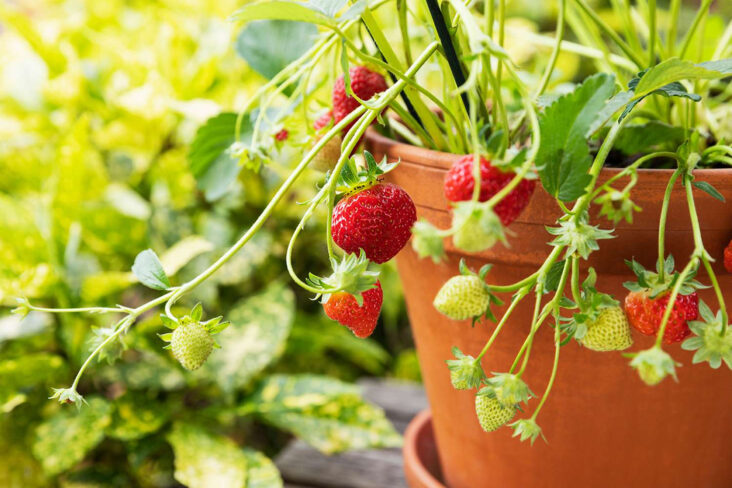
Growing food at home contributes to a more sustainable lifestyle in several ways. Commercial fruit often travels hundreds or even thousands of miles before reaching consumers. Transportation, packaging, refrigeration, and storage all contribute to environmental impact.
Home-grown produce offers numerous advantages:
- Reduced food miles
- Less packaging waste
- Improved freshness
- Greater control over cultivation methods
- Enhanced biodiversity within the garden
- Increased pollinator activity
Perennial fruit crops are particularly beneficial because they continue producing for many years after planting. Unlike annual vegetables that require replanting each season, many fruit-bearing plants establish long-term productivity with relatively modest maintenance.
What Makes a Productive Home Orchard?
Many gardeners assume that orchards require large amounts of land. In reality, modern cultivation techniques allow fruit production in spaces of almost any size.
A successful home orchard typically includes:
| Feature | Benefit |
| Multiple crop types | Extended harvest season |
| Pollinator-friendly planting | Improved fruit production |
| Healthy soil | Strong root development |
| Good sunlight exposure | Better yields |
| Appropriate varieties | Improved local performance |
By combining different fruits with staggered harvest periods, gardeners can maximize productivity while maintaining a visually attractive landscape.
Why Soft Fruits Are Ideal for Beginners
Soft fruits are often among the easiest edible crops to grow. They establish relatively quickly and can provide harvests sooner than many tree fruits.
For beginner gardeners, these crops offer several advantages:
- Simple maintenance requirements
- Reliable yields
- Compact growing habits
- Excellent flavour when freshly picked
- Suitability for small gardens
Soft fruits can also be incorporated into mixed planting schemes, helping gardeners make efficient use of available space.
How Can Raspberry Plants Improve Garden Productivity?
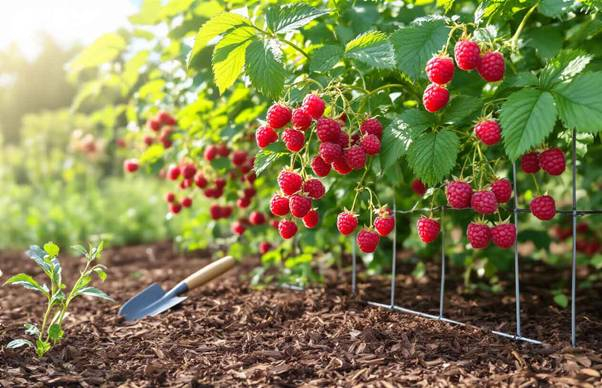
One of the most rewarding crops for home growers is raspberry plants. These productive canes provide abundant harvests while requiring relatively little space.
Their popularity stems from several factors:
High Yield Potential
A small row can produce significant quantities of fruit during the growing season.
Seasonal Variety
Summer-fruiting and autumn-fruiting varieties allow gardeners to extend harvesting periods.
Pollinator Benefits
The flowers attract bees and other beneficial insects that support wider garden ecosystems.
Adaptability
These canes perform well in many garden settings, from traditional vegetable plots to ornamental borders.
With proper pruning and support, healthy plants can remain productive for many years.
Why Are Strawberries So Popular in Home Gardens?
Few garden experiences compare to harvesting freshly ripened berries straight from the plant.
Strawberry plants remain among the most widely grown edible crops because they combine excellent flavour with relatively straightforward cultivation.
Benefits include:
- Early summer harvests
- Suitability for containers
- Ground-cover potential
- Attractive flowers
- Child-friendly gardening opportunities
Modern varieties offer improved disease resistance and extended fruiting periods, making them accessible even for novice gardeners.
Many gardeners choose to grow several varieties together to increase pollination and prolong harvesting throughout the season.
What Role Do Fruit Trees Play in Sustainable Landscapes?
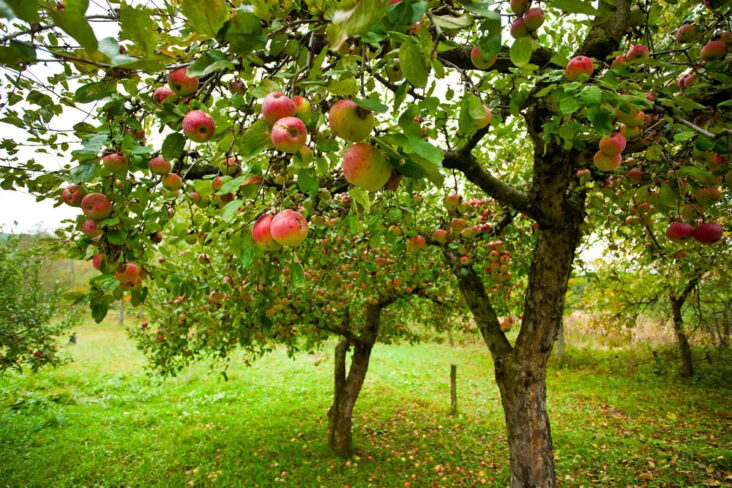
Trees offer benefits that extend beyond fruit production.
A well-planned planting scheme incorporating fruit trees can contribute to:
Carbon Storage
Trees naturally absorb carbon dioxide and store carbon within their wood and root systems.
Wildlife Support
Blossoms provide valuable food sources for pollinators, while mature trees offer habitat opportunities for birds and insects.
Shade and Microclimate Benefits
Strategically placed trees can help moderate temperatures and create more comfortable garden environments.
Long-Term Food Production
Many varieties continue producing crops for decades when properly maintained.
These characteristics make fruit-bearing trees an important component of sustainable garden design.
Which Fruits Work Best Together?
Companion planning helps gardeners maximise productivity while improving visual appeal.
A popular combination includes:
Early Season
Strawberries begin producing during late spring and early summer.
Mid-Season
Summer-fruiting raspberries provide abundant harvests during warmer months.
Late Season
Autumn-fruiting varieties and later-ripening tree fruits extend the season into autumn.
This layered approach ensures a continuous supply of home-grown produce over several months.
How Important Is Variety Selection?
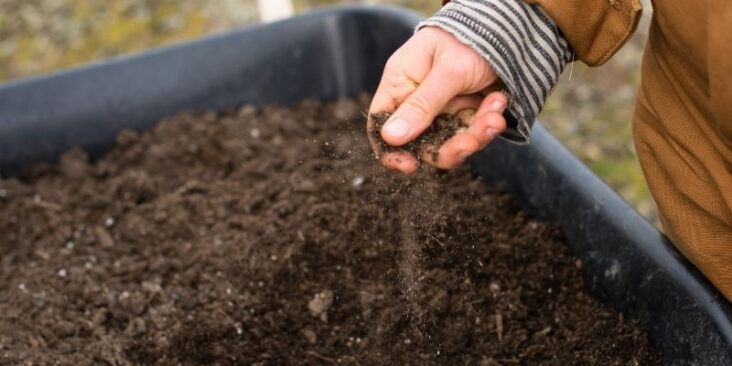
Success often depends on choosing suitable varieties for local growing conditions.
Factors to consider include:
- Climate compatibility
- Soil conditions
- Disease resistance
- Pollination requirements
- Available space
- Harvest timing
Modern breeding programs have introduced numerous options suited to different regions and garden sizes.
For example, compact rootstocks allow many fruit species to be grown successfully in smaller gardens that previously lacked sufficient space.
Can Small Gardens Support Fruit Production?
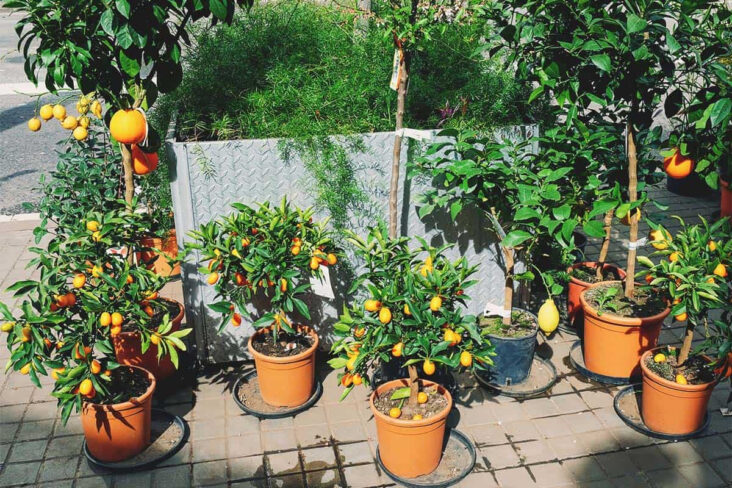
Limited space does not prevent productive gardening.
Many techniques allow homeowners to grow significant quantities of fruit within modest areas.
Examples include:
Container Growing
Many soft fruits thrive in pots and raised planters.
Espalier Training
Trees can be trained against walls or fences to save space.
Cordons
Vertical growing systems allow multiple varieties within a narrow footprint.
Patio Varieties
Specially developed compact cultivars suit balconies, courtyards, and urban gardens.
These approaches help maximise production while maintaining attractive outdoor spaces.
How Does Biodiversity Benefit Fruit Production?
Biodiversity plays a crucial role in successful gardening.
Gardens that support a wide range of beneficial organisms often experience:
- Improved pollination
- Better pest management
- Stronger ecosystem resilience
- Enhanced soil health
Simple ways to encourage biodiversity include:
- Planting native flowers
- Avoiding unnecessary pesticide use
- Creating wildlife habitats
- Providing water sources
- Incorporating diverse planting schemes
Pollinators are particularly important because many fruit crops depend on insect activity to achieve strong yields.
What Soil Conditions Encourage Healthy Growth?
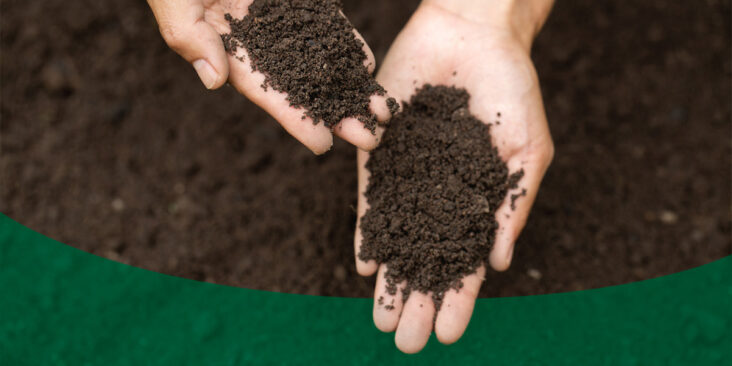
Healthy soil forms the foundation of productive fruit cultivation.
Key priorities include:
Organic Matter
Compost improves moisture retention, nutrient availability, and soil structure.
Drainage
Most fruit crops perform poorly in waterlogged conditions.
Nutrient Balance
Balanced fertility encourages healthy growth and fruit development.
Mulching
Organic mulches help suppress weeds while conserving moisture.
Regular soil improvement often produces greater benefits than relying solely on fertilisers.
Why Is Long-Term Planning Important?
Fruit gardening rewards patience.
Unlike annual vegetables, perennial crops often improve with age as root systems become established.
Long-term planning allows gardeners to:
- Maximise harvest potential
- Improve garden structure
- Reduce annual planting costs
- Build healthier ecosystems
- Create sustainable food sources
Many experienced growers view fruit planting as an investment that delivers returns for years or even decades.
Choosing Quality Stock for Better Results
The quality of planting material can significantly influence long-term success.
Healthy, well-grown nursery stock often establishes more effectively and produces stronger early growth.
Among specialist UK suppliers, Pomona Fruits has developed a strong reputation for providing a wide range of soft fruit and orchard varieties suitable for home gardeners. Their selection includes heritage cultivars, modern disease-resistant options, and compact forms designed for smaller gardens.
Access to carefully selected stock allows gardeners to match varieties to local conditions and growing objectives more effectively.
How Can Home Growers Extend Their Harvest Season?
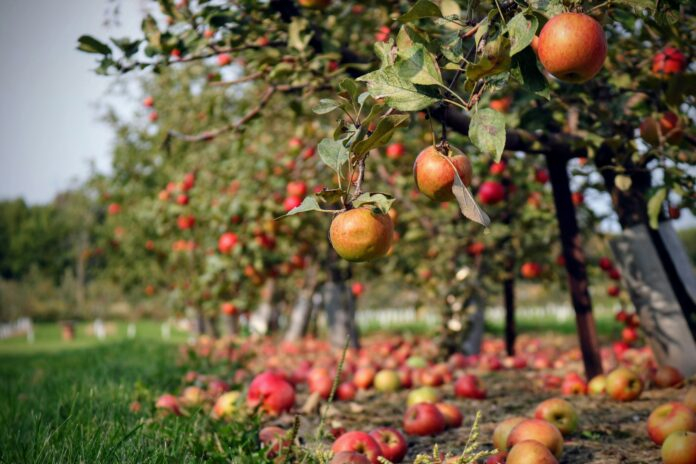
One of the most effective strategies for increasing productivity is succession planting through variety selection.
Gardeners can extend harvests by combining:
- Early-season berries
- Mid-season varieties
- Late-fruiting cultivars
- Multiple tree species with different ripening periods
This approach reduces seasonal gaps and provides fresh produce across much of the growing year.
Proper planning can transform even modest gardens into highly productive edible landscapes.
The Future of Sustainable Fruit Growing
Interest in home-grown produce continues to rise as consumers seek greater transparency, sustainability, and self-sufficiency.
Fruit cultivation offers a practical way to:
- Reduce environmental impact
- Improve food security
- Support local biodiversity
- Enjoy fresher produce
- Enhance outdoor living spaces
As gardeners increasingly embrace sustainable growing methods, perennial fruit crops are likely to play an even more important role in residential landscapes.
Conclusion
Creating a productive home orchard does not require extensive land or specialist expertise. With thoughtful planning and careful variety selection, gardeners can enjoy abundant harvests while supporting sustainability goals.
By incorporating raspberry plants, strawberry plants, and fruit trees into garden designs, homeowners can establish long-lasting sources of fresh produce that benefit both people and wildlife. These versatile crops provide flavour, beauty, and environmental value, making them an excellent choice for anyone interested in growing more food at home while building a greener future.