
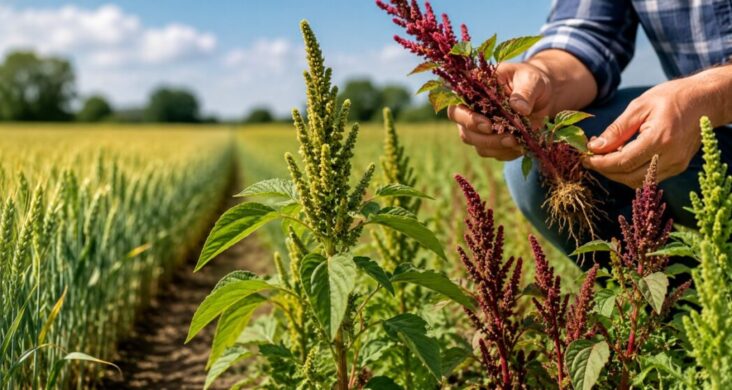
As the 2026 growing season is underway, more Ontario farmers are seeing an increase in new weed species in their fields.
Most farmers have experience managing redroot and green pigweed, and growers in southwest Ontario have become experienced with waterhemp.
Another species, Palmer Amaranth, has been identified in a growing number of counties, suggesting it’s spreading in Ontario. Identifying the difference between weed species and their resistance traits is the cornerstone of any successful crop protection solutions strategy.
Waterhemp has been impacting farmers for years, and it continues to spread to new parts of the province every season.
Palmer Amaranth is no longer a distant problem but rather an emerging threat to watch. Waterhemp and Palmer Amaranth arrived with resistance traits, so proper early management is important.
But how can farmers know which pigweed species they have in their field?
The red flags: It is all in the stem
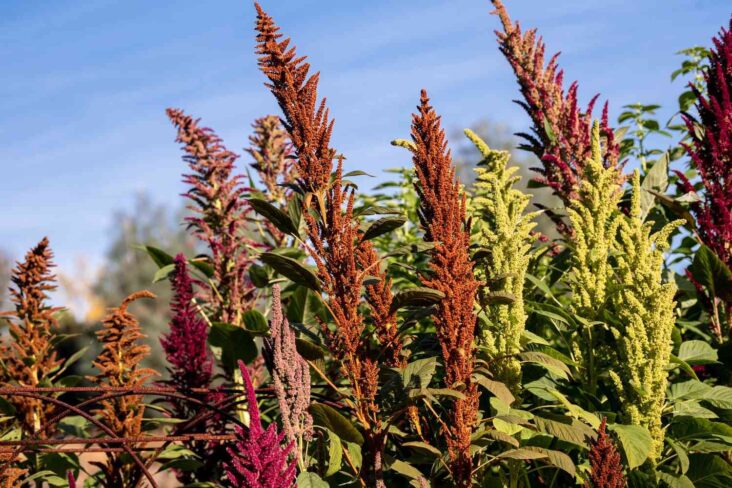
To start, begin by setting aside the leaves and focusing instead on the stems. The species most growers are familiar with, redroot pigweed and green pigweed, have fine, dense hairs on the stems. This gives the plant a slightly fuzzy appearance and a rough texture to the touch.
In comparison, waterhemp and Palmer amaranth are relatively hairless. Their stems are smooth to the touch, often have a waxy sheen, and resemble pigweed. This is the most reliable way to redroot and green pigweed from waterhemp and Palmer amaranth.
Distinguishing waterhemp from Palmer amaranth
Once a smooth stem is identified, the next task is to look at the leaf.
Waterhemp typically features long, narrow (lanceolate) leaves that appear glossy. Palmer Amaranth possesses wider, egg-shaped leaves.
One simple field trick is the petiole, or small stalk that connects the leaf to the main stem. If you fold the leaf back over itself and the petiole is longer than the leaf blade, it is almost certainly Palmer amaranth.
Early-season walks: A step-by-step breakdown
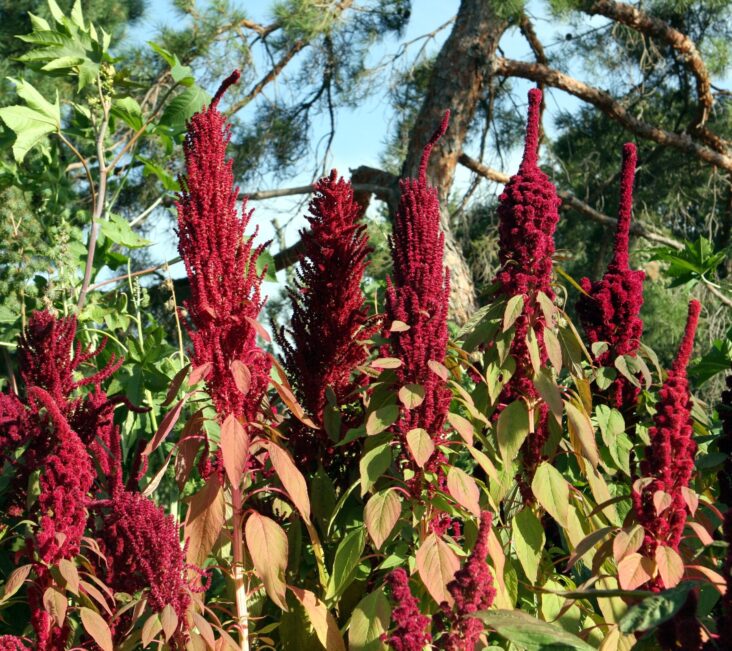
Timing is everything when it comes to scouting. These weeds can produce hundreds of thousands of seeds per plant; one female Palmer amaranth plant can produce more than 500,000 seeds. Managing these weeds before they get established and potentially set seed is important.
Scout the Low-Disturbance Areas First: Scouting along field edges, near equipment staging areas, and around water sources and holding ponds is a good place to start. Seeds can easily be transported by migratory birds or on machinery or equipment that wasn’t completely cleaned.
Look for the Six-Leaf Stage: The easiest time to identify these weeds is when they are between three and six inches tall. At this point, their smooth stem can easily be identified. However, the plant has not yet put down a deep taproot that can make hand-pulling difficult.
Look for “The Notch”: Look at the tip of the leaves. Many waterhemp plants have a small, hair-like protrusion or a tiny notch at the very tip of the leaf blade.
Why identification is non-negotiable
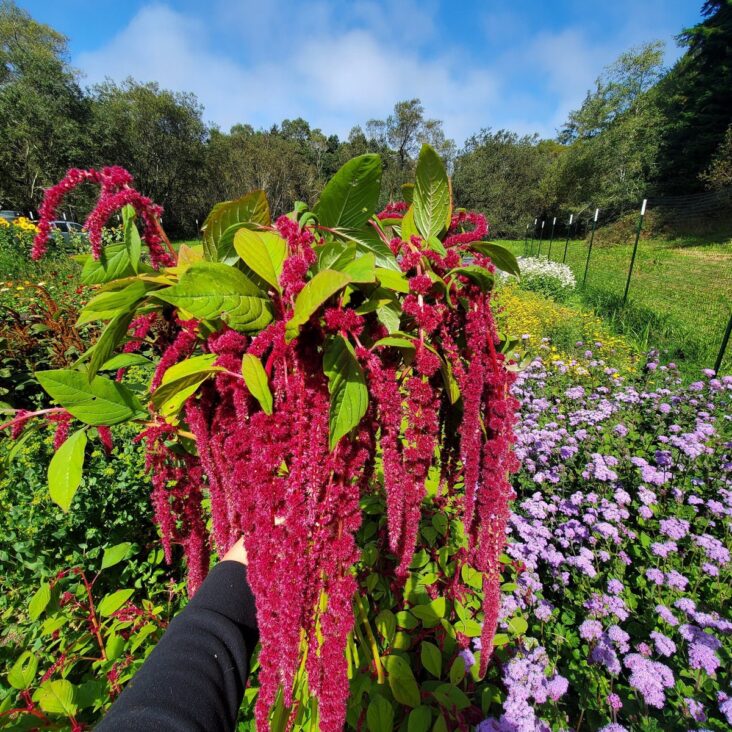
The reason these invaders cause such concern is not just their growth rate, but their genetic resilience.
Many populations of waterhemp and Palmer amaranth entering Ontario arrive with pre-existing resistance to multiple herbicide groups. While a standard glyphosate herbicide in Canada was once the “silver bullet” for weed control, it can be less effective against these specific biotypes.
If these weeds are found early, the management plan should be adjusted if the program is not providing effective control. For example, if a pigweed species is spotted, the best strategy is to layer multiple effective modes of action.
This could include using a soil-active residual herbicide along with a burnoff herbicide before seeding, and using another broadleaf herbicide from a different herbicide group at in-crop timing.
Tactical management for 2026
Waterhemp and Palmer amaranth are dioecious, so a key to reducing the seed bank is to stop the females from maturing.
In many instances, if a handful of plants are found while walking the field, the best tool to use is a pair of gloves and a garbage bag.
Hand weeding will eliminate the possibility of a sprayer missing or the weed growing through the herbicide application. If the field is overwhelmed with Palmer amaranth or waterhemp, the best management is a directed, effective herbicide application.
Growers should be working with their agronomist to identify chemistries that are effective on the known resistance profile of the area.
By knowing how to identify different pigweed species, we can develop management plans and hopefully reduce the threat before it escalates into a widespread issue. Use the proper tools and respond accordingly to make sure Ontario’s fields remain productive, and these invasive weeds are stopped in their tracks.