
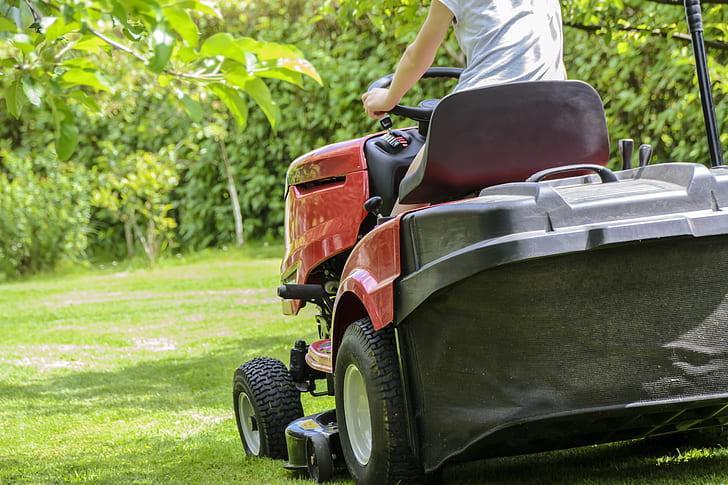
A working farm is judged first by function, but it is often experienced through appearance. Clean lanes, open gathering areas, tidy field edges, safe walking routes, and maintained garden spaces all shape how people move through the property. This matters even more when a farm serves more than one purpose. Many rural properties today combine production, family living, equipment storage, gardens, sales areas, seasonal events, and visitor access. In that kind of setting, mowing is not a decorative afterthought. It is part of the farm’s daily operating rhythm.
The right mower helps keep that rhythm steady. It allows owners and crews to manage grass around barns, driveways, gardens, fence lines, orchards, sheds, parking areas, and paths without turning routine maintenance into a constant delay.
When mowing equipment is poorly matched to the property, the work becomes slow and uneven. When the machine fits the land, outdoor care becomes more predictable, and the farm feels more organized from the entrance to the back field.
Why Mowing Matters Beyond Curb Appeal
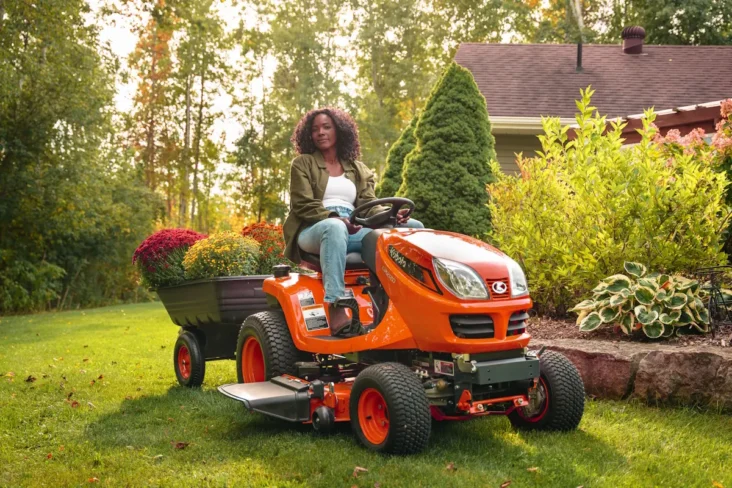
A cleanly maintained property does more than look good. It improves visibility, reduces overgrowth near buildings, supports safer movement, and helps separate working zones from public or family areas. On farms, grass can quickly grow around gates, trailers, irrigation lines, tool sheds, and garden borders. If those areas are ignored, simple tasks take longer. Operators may lose clear access, visitors may struggle to understand where to walk, and working spaces can begin to feel cluttered.
Mowing also affects how a property communicates care. A farm does not need to look polished like a city park, but it should feel intentional. Managed edges, clean access paths, and visible gathering areas tell workers, customers, and guests that the land is being looked after. That message becomes especially important when a farm welcomes the public for events, sales, tours, workshops, or seasonal activities.
Equipment Should Match the Farm’s Daily Movement
Mower selection should begin with how the property is actually used. Open grass areas, narrow lanes, tree rows, garden paths, buildings, livestock zones, parking areas, and roadside frontage all create different mowing demands. A large deck may help on open ground, but it can become awkward around detailed spaces. A smaller machine may handle obstacles beautifully, but it may not be efficient enough for broad acreage.
For farm owners, landscapers, and property managers, the best equipment decision balances speed, control, durability, service access, and operator comfort. This is why many buyers consider Kubota mowing equipment when they need a dependable way to maintain large outdoor areas, tight turns, garden edges, access routes, and mixed-use spaces without losing time to inefficient mowing patterns.
View this post on Instagram
Visitor-Ready Farms Need Practical Grounds Planning
When a farm welcomes visitors, the landscape has to do extra work. It must still support production, but it also needs to guide people safely. Parking areas, walking paths, signs, gardens, demonstration spaces, farm stores, and event areas all benefit from clear maintenance. Tall grass near visitor routes can make a property feel confusing or neglected, even when the working side of the farm is well managed.
Agritourism adds another layer to the maintenance conversation. A farm that hosts guests needs outdoor spaces that are both authentic and accessible. The goal is not to erase the working character of the land, but to make movement clear and comfortable. This is why planning advice around agritourism on a working farm often connects business opportunity with practical layout, safety, staffing, and visitor experience.
The Farm Entrance Sets the Tone
The entrance is often the first place where mowing quality becomes visible. Roadside grass, driveway edges, signage areas, and parking borders influence how people feel before they reach the main buildings. A well-maintained approach does not need to look overly formal. It simply needs to feel clear, safe, and cared for. This makes the property easier to navigate and gives visitors confidence that the farm is professionally managed.
For owners, this means the mower must handle more than open fields. It must work around signs, fences, entry posts, mailboxes, gravel edges, tree bases, and drainage areas. A responsive machine can reduce hand trimming and help the entrance stay presentable through busy seasons.
Gardens Add Beauty, but They Also Add Edges
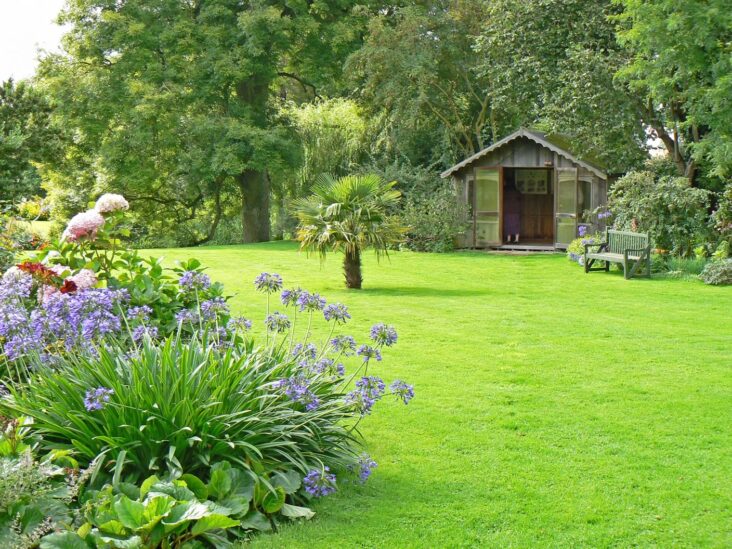
Farm gardens, kitchen gardens, pollinator beds, demonstration plots, and decorative planting areas can give a rural property warmth and identity. They can also create many edges that require careful maintenance. Grass grows against raised beds, pathways narrow, and planted spaces can become difficult to access if mowing routes are not planned well.
Good garden care begins with understanding the site, choosing sensible planting areas, and keeping up with seasonal tasks. A helpful gardening overview for beginners explains that successful gardening depends on soil preparation, watering, mulching, seasonal cleanup, and consistent care. Those same ideas apply to the spaces around gardens. Mowing should support planting areas by keeping paths open and reducing competition from unmanaged grass.
Clean Paths Make Gardens More Useful
A garden that is hard to reach quickly becomes harder to maintain. Clear paths make it easier to bring compost, move tools, water plants, harvest produce, and inspect for problems. On a farm, those paths may connect gardens to sheds, washing stations, parking areas, or visitor spaces. If mowing equipment cannot move efficiently through those routes, small maintenance jobs begin to stack up.
This is where zero-turn capability can be valuable. Tight movement helps operators work around beds, trees, and structures with greater precision. Still, good equipment should be paired with good planning. Path widths, bed placement, and turning areas should be designed with maintenance in mind, not treated as an afterthought once plants are already established.
Operator Comfort Shapes Consistency
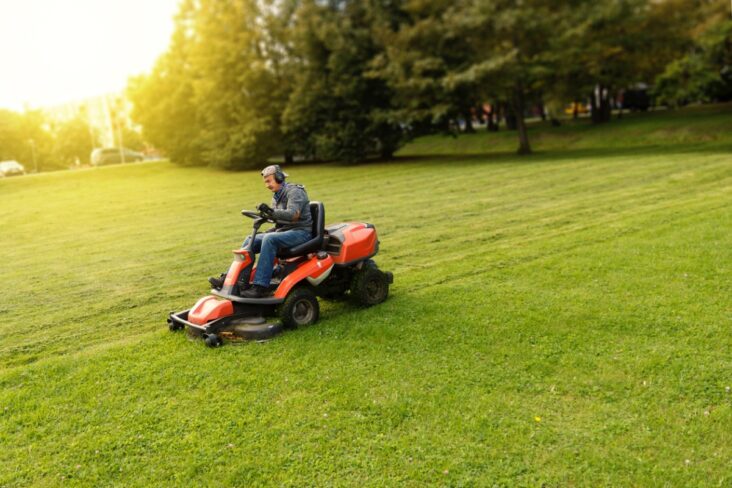
Large properties require repeated mowing, and repeated work exposes every weakness in a machine. A mower that is uncomfortable, difficult to control, or hard to adjust can turn routine care into a draining job. Operator comfort affects the quality of the cut because fatigue changes how carefully people steer, turn, and manage obstacles.
Comfort features such as supportive seating, visibility, accessible controls, smooth handling, and practical deck adjustment can help operators stay focused over longer sessions. On farms that host visitors or maintain public-facing areas, that consistency matters. Missed patches, rough edges, and rushed passes are more noticeable when people are moving through the property.
Maintenance Access Protects Long-Term Value
A mower used on a working property faces dust, clippings, uneven ground, heat, vibration, and frequent starts. Long-term performance depends on regular care. Blades need sharpening, decks need cleaning, belts and tires need inspection, and service intervals should not be ignored. A machine that is easy to inspect and maintain is more likely to stay ready when the grass grows fast.
For farm owners, downtime is more than an inconvenience. If mowing falls behind during a busy season, access routes narrow, event spaces look unfinished, and garden edges become harder to recover. Choosing equipment with dependable support and practical service access helps protect the investment after the first season.
Brand Section – H&R Agri-Power
H&R Agri-Power serves buyers who need equipment decisions to fit real land, real schedules, and real work. Farms, estates, commercial grounds, rural homes, and garden-heavy properties rarely have one simple mowing need. They often require a balance of power, maneuverability, service support, and operator comfort across different areas of the same property.
That is where knowledgeable equipment guidance becomes useful. A mower should be selected with acreage, terrain, access routes, storage, workload, and maintenance expectations in mind. For buyers managing working farms or visitor-ready rural properties, the right dealer relationship can help turn a mower purchase into a long-term grounds care strategy.
View this post on Instagram
Conclusion
Reliable mowing equipment supports more than a neat lawn. It helps working farms stay accessible, gardens stay usable, visitor areas stay clear, and daily operations stay organized. When the right machine is matched to the property, mowing becomes less of a repeating burden and more of a dependable maintenance system.
The best choice starts with the land itself. Owners should consider terrain, obstacles, mowing frequency, garden layout, visitor movement, operator comfort, and service needs before selecting equipment. A farm that is productive, welcoming, and well maintained is not built by one machine alone, but the right mower can quietly keep the whole outdoor system moving in the right direction.