
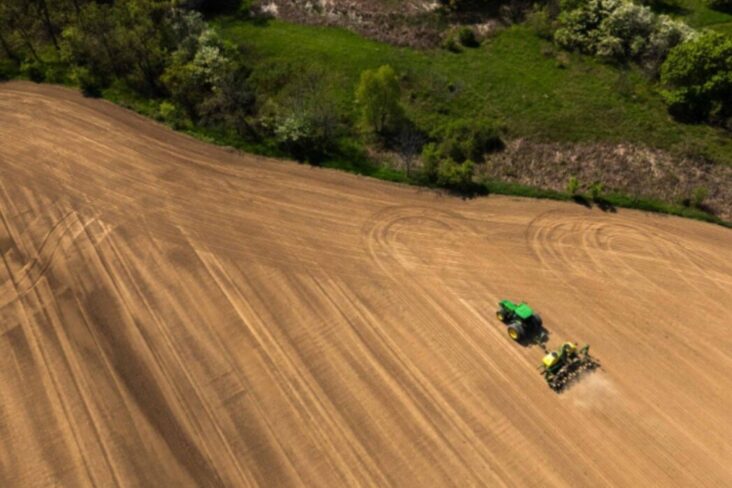
Managing agricultural property in Southern Ontario requires a thoughtful balance between active food production and long-term environmental conservation.
Across Canada, environmental reports show that private land stewardship accounts for a growing portion of protected natural space, with formal conservation initiatives covering 14% of the national terrestrial landmass, according to Canada’s Conserved Areas Indicator.
Stephen Gleave is a farm owner in Ancaster. He focuses on managing fruit orchards, hardy livestock breeds, and native forest restoration to keep the rural property healthy.
Running a working farm involves protecting natural ecosystems with daily chores. Combining native tree planting, traditionsoilal livestock care, and beekeeping creates a self-sustaining system that supports farm animals while giving wild species space to thrive.
A well-managed property holds onto topsoil, reduces runoff, and maintains natural drainage.
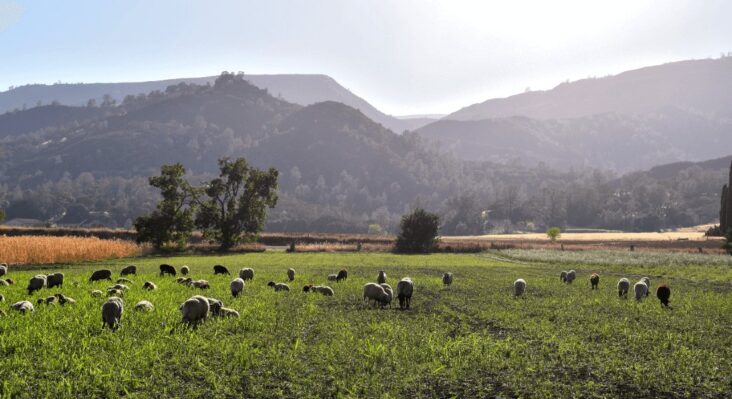
A dependable farm prioritizes variety over a single crop. Dividing land into active production zones and undisturbed wild patches keeps the soil rich and protects the surrounding watershed, matching data from Statistics Canada on regional crop management.
Tending an orchard filled with plum, apple, pear, and cherry trees brings in a steady harvest while offering quality nectar for bees from spring through late summer.
Scottish Highland cows perfectly suit this farming method. With their heavy coats and ability to forage on rough ground, these animals keep brush under control and clear out pastures without packing down the dirt. Cows and active beehives help maintain pollination in both fruit orchards and wild plants.
Caring for crops and livestock is only a part of the work. Bringing back native trees is a huge focus for property owners in Southern Ontario. The region was once covered in thick Carolinian forests hundreds of years ago. Carolinian forests are unique and rarely found elsewhere in the nation.
The old-growth woods that Stephen Gleave cares for on his Ancaster property contain remnants of that original forest cover. Active planting efforts focus on introducing native antique hardwoods, such as Tulip trees and Kentucky coffee trees, to expand wooded areas and fill out the upper canopy.
“As a landowner, your vision naturally extends toward the long term,” says Gleave when discussing his restoration work. “The decisions made on a single farm impact the whole ecosystem, from soil quality to the diversity of local wildlife.”
Setting out native tree stands creates natural pathways that let birds, small mammals, and beneficial insects move safely between woods. “Combining active agriculture with forest preservation is about designing a working farm where food production and natural conservation support each other.”
Landowners wanting to try similar methods can start with simple, small changes to their regular farm routine. Planting native trees on fence lines and field borders reduces the need for synthetic fertilizers while helping the soil retain rainwater.
Leaving unplowed meadow strips around fields and growing wild plants helps bees and butterflies thrive. Preserving existing wooded lots while planting native saplings reconnects isolated patches of trees, mirroring national targets set out in A Force of Nature: Canada’s Strategy to Protect Nature.
“True land stewardship requires patience and a commitment to preserving natural balance,” notes Gleave. “The goal is to maintain a working farm that grows fresh produce while leaving the soil, forest cover, and wildlife habitats stronger for future generations.”
Combining traditional farming with environmental stewardship demonstrates that private land can remain productive while actively restoring native habitats. Through steady, daily care, working farms provide for local agricultural needs while protecting important natural spaces for the surrounding community.